Collections
The NGBB Herbarium holds around 20,000 plant specimens across seed plant, fern, lichen, carpology and cultivated plant collections.
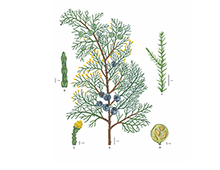
Gymnosperm Collection
Our collection of gymnosperms (cone-bearing plants), composed entirely of trees and shrubs, contains 71 taxa. 30 of these were illustrated by botanical artists in Volume 2 of the Illustrated Flora of Türkiye.
Illustration specimen listAngiosperm Collection

Representing an important part of our country's plant biodiversity, this collection comprises 15,471 specimens representing 685 genera in 132 families. Its oldest specimens are those collected from Türkiye by P.H. Davis in the late 1930s.
Iridaceae, Lamiaceae, Scrophulariaceae, Asparagaceae, Cyperaceae, Colchicaceae and Fagaceae are the richest families. Adil Güner, Füsun Ertuğ, Peter H. Davis, Rahim Anşin and Rodney M. Burton are among the principal collectors.
Fern Collection
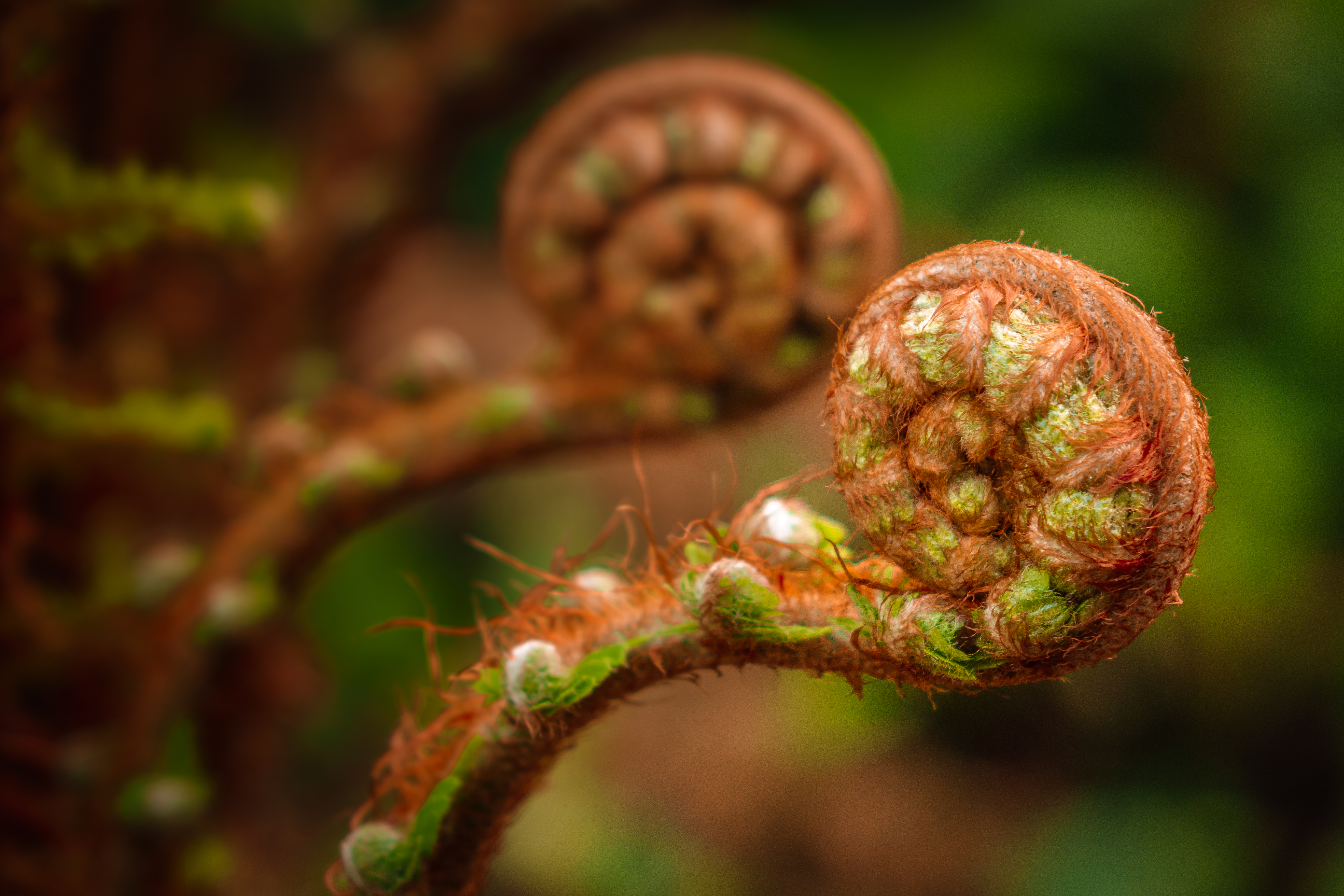
Clubmosses and ferns are the most primitive group of vascular plants. About 107 clubmosses and ferns belonging to 20 families grow in Türkiye. The NGBB Herbarium holds around 270 fern specimens.
Lichen Collection
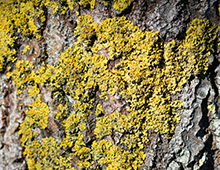
Our Lichen Collection consists of 93 lichen specimens collected and identified in 2015 by Volker John from 49 points across the eight islands forming the Nezahat Gökyiğit Botanic Garden — from tree bark, soil, rock, decaying plant remains and wood.
Carpology Collection
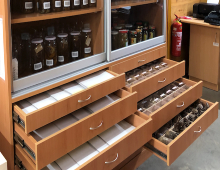
Established in 2020, the Carpology Collection contains specimens consisting mainly of fruits and seeds, as well as large plant parts that do not fit on herbarium sheets.
In addition to carpology specimens, our herbarium also holds an Anatomy Collection of plant specimens preserved in solutions in glass jars.
Cultivated Plants Collection
Unlike specimens collected directly from nature, cultivated plant specimens are herbarium specimens taken from plants of known origin grown in a botanic garden, nursery or park.
Our herbarium holds around 1,000 cultivated plant specimens — primarily plants grown in our garden, as well as various plants that do not occur naturally in Türkiye.
Would you like to examine our collections?
You can browse our specimens online or request an appointment for your research.